The Value of an Air Clearance Certificate
You require an air clearance certificate to lawfully reoccupy any type of area after removal, as it's your documented proof that interior air high quality fulfills strict regulative limitations. Without it, you can't validate air-borne threats like asbestos, lead, or mold and mildew have been effectively eliminated, running the risk of health and wellness, legal, and insurance repercussions. Regulatory authorities, insurers, and courts count on this evidence to liquidate projects and avoid obligation. Comprehending exactly how qualification works and its benefits can assist ensure your home stays secure and compliant. asbestos in artex
Takeaways
- Confirms that interior air quality after removal meets regulatory security criteria for dangerous contaminants.
- Supplies documented evidence of compliance, safeguarding residential or commercial property owners from legal and monetary responsibility. asbestos removal company
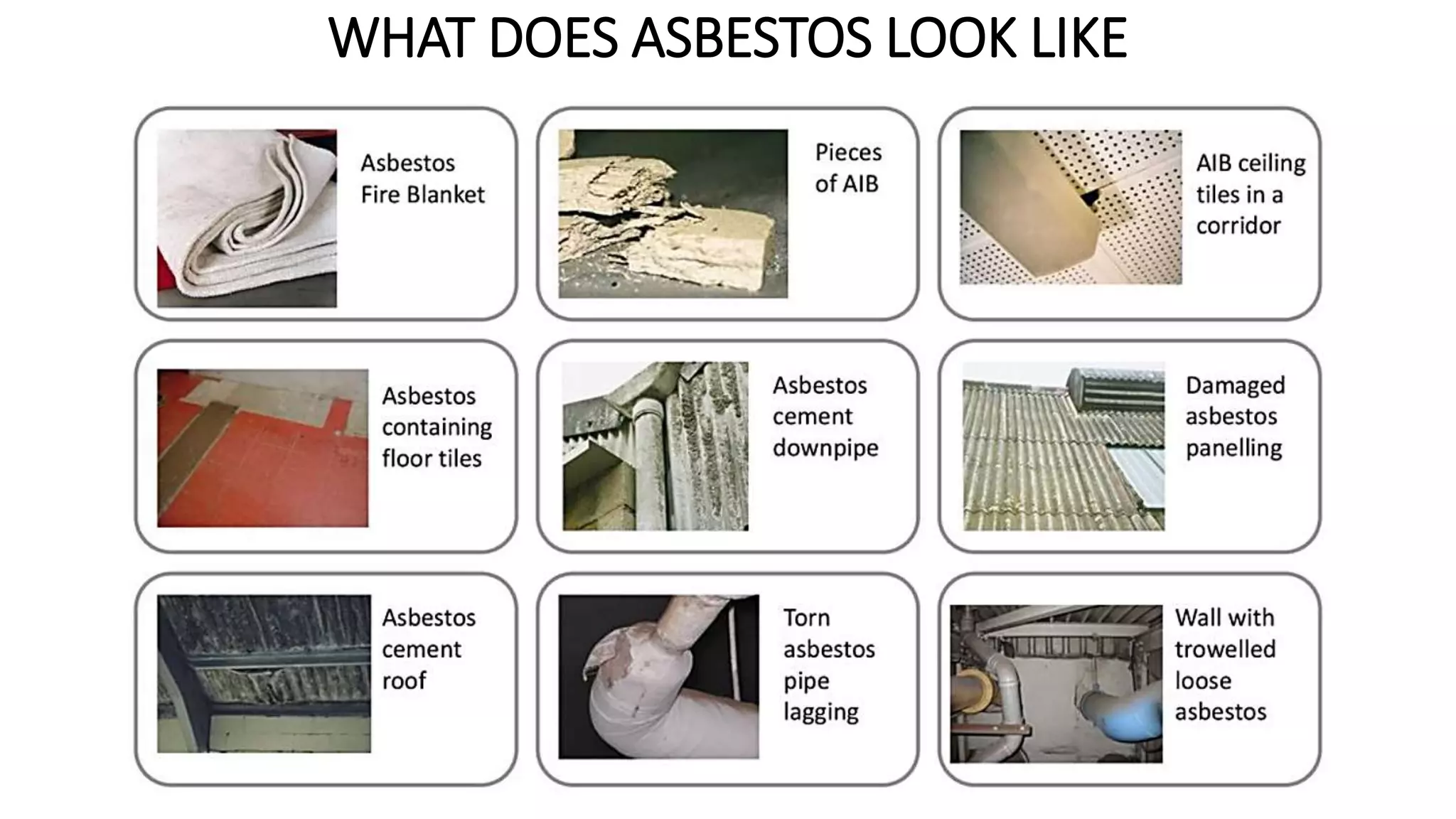
 * Ensures occupant health by verifying hazardous materials like asbestos, lead, and mold and mildew are listed below dangerous levels.
 - Required for project closeout, re-occupancy, and insurance validation after harmful material removal.
- Protects against future conflicts and regulative charges by showing complete, evidence-based air quality evaluation.
What Is an Air Clearance Certificate?
When you're handling harmful materials remediation, an air clearance certificate is an official paper that confirms the air quality in a details area satisfies regulatory criteria after abatement activities. You'll need to recognize that this certification is based upon a collection of post-remediation air examples, which are examined for pollutants such as asbestos, lead, or mold. The process reviews indoor air movement and air flow prices to guarantee that air-borne risks have actually been successfully gotten rid of and the room is safe for re-occupancy. Certified specialists gather and evaluate the examples in conformity with local, state, and federal guidelines. If the air quality passes all regulative limits, you'll obtain the air clearance certification as proof of compliance. This paper is vital for demonstrating that your remediation task effectively attended to all health risks.
When Do You Required an Air Clearance Certificate?
You'll require an air clearance certificate after completing a removal job to confirm that air high quality meets security requirements. Regulatory agencies commonly mandate this documents to ensure compliance with health and ecological laws. Without it, you can not legally reoccupy or make use of the remediated space.
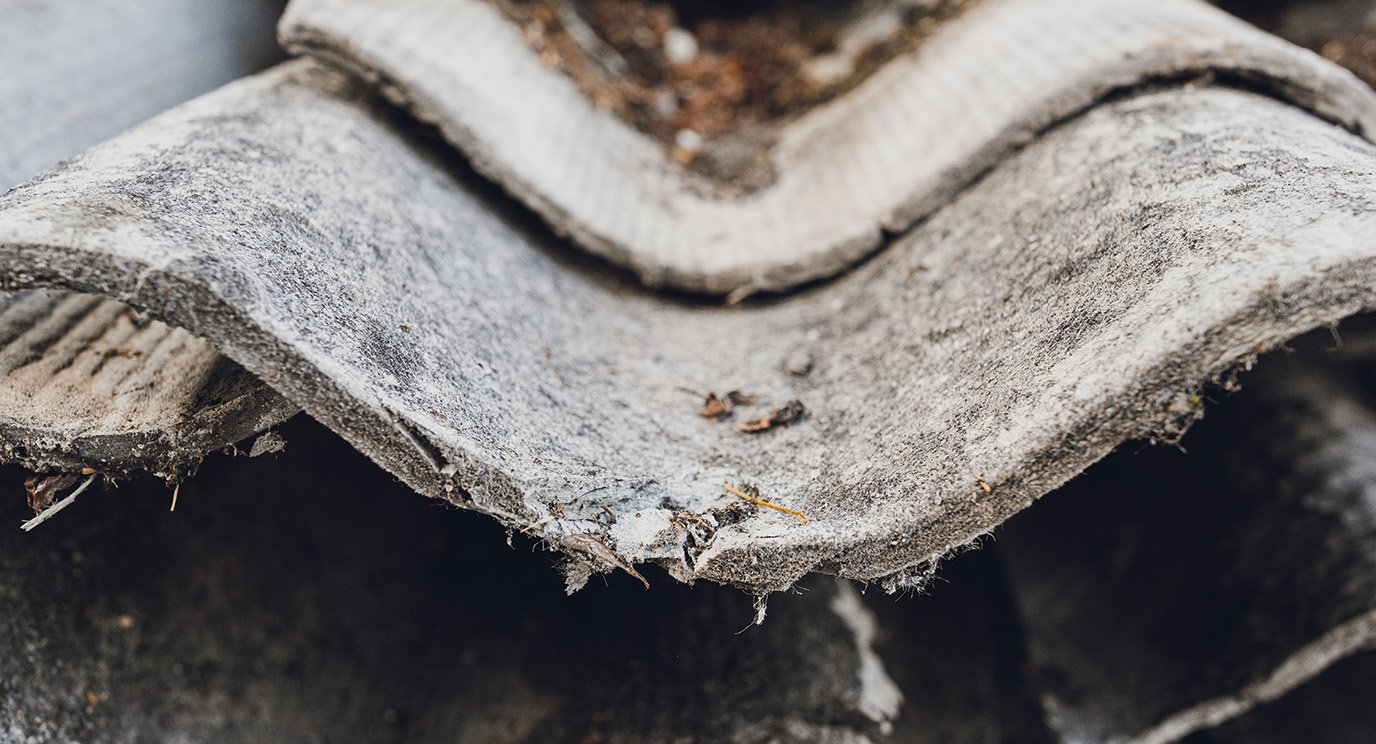
Post-Remediation Task Conclusion
After remediation job has been completed, regulatory standards and market best techniques usually require an air clearance certification to validate that the environment is secure for re-occupancy. You'll need to arrange a post removal inspection, which entails a thorough analysis of the cured location to verify all contamination resources have actually been resolved. During this process, professionals perform interior air top quality confirmation by collecting air examples and contrasting contaminant levels to well-known safety and security limits. If the outcomes satisfy or exceed these criteria, an air clearance certification is issued, verifying the space is safe for passengers. This evidence-based technique not just secures health and wellness however additionally supplies documented evidence that remediation initiatives were efficient. Without this certificate, you can't be particular that re-occupancy won't posture recurring health dangers.
Regulative Compliance Needs
Although details needs might differ by jurisdiction, governing firms generally mandate an air clearance certificate following removal of unsafe compounds such as mold, asbestos, or lead. You'll require to acquire this certificate before reoccupying a site or finishing project closeout. Satisfying regulative timelines is crucial— hold-ups can set off compliance audits, fines, or lawful difficulties. The table listed below summarizes usual governing expectations:
Substance
Clearance Trigger
Normal Regulative Timeline
Asbestos
Post-abatement
24— 72 hours
Mold
After remediation
24— two days
Lead
End of lead elimination
48— 72 hours
General VOCs
Site purification
As specified by neighborhood regulations
Staying existing with neighborhood, state, and government guidelines assurances you're prepared for compliance audits and preserve project stability. Constantly validate local needs to stay clear of costly missteps.
Normal Projects That Require Air Clearance Certification
When carrying out tasks that interrupt materials recognized or thought to consist of unsafe compounds like asbestos, lead, or mold and mildew, an air clearance certification is typically a governing demand. You'll typically experience this mandate during commercial demolition, where massive elimination of building elements may launch fibers or dust right into the air. Cooling and heating decommissioning is one more job where air clearance is important, because dismantling ductwork or insulation can disrupt surprise pollutants. Renovations in older structures, especially institutions or hospitals, likewise require clearance to verify the environment is safe for re-occupancy. Insurance cases adhering to water or fire damages frequently need recorded air high quality reconstruction. By securing an air clearance certificate, you're showing conformity with lawful standards and protecting resident health before reusing or reoccupying the job site.
Necessary Air Quality Specifications for Accreditation
Before an air clearance certificate can be issued, you'll need to make specific that the website's air top quality satisfies rigorous governing thresholds established by federal, state, and local firms. Certification standards are created to shield residents and workers from dangerous air-borne impurities such as asbestos fibers, lead dirt, mold and mildew spores, or unstable natural substances. You're required to verify that contaminant concentrations fall listed below permissible direct exposure restrictions specified in guidelines like OSHA, EPA NESHAP, or pertinent state codes. Air tasting and laboratory evaluation need to confirm that removal or abatement activities have successfully gotten rid of or minimized impurities to acceptable levels. Without satisfying these air high quality needs, you will not attain compliance or safe and secure certification. Rigorous adherence to qualification standards assures both legal compliance and a safe environment for all constructing customers. https://nottinghillasbestosremoval.co.uk/services/soft-strip-demolition.html
Exactly How the Air Clearance Certification Process Works
When removal or reduction tasks are total, the air clearance certification process begins with a detailed website examination and air sampling performed by a certified expert. You'll see that the specialist adheres to a stringent tasting procedure, which information where and how samples are accumulated to assure depictive outcomes. Vacuum cleaner testing is typically used to draw air from surface areas or confined locations, recording potential particulate contamination that might remain after cleaning. The collected air samples are then assessed in certified laboratories to determine concentrations of dangerous compounds like asbestos or mold and mildew spores. If the outcomes abide by regulatory restrictions, the area is regarded risk-free for reoccupation. This process assures all necessary actions are taken to confirm that air high quality fulfills established health and wellness standards prior to clearance is given.
Who Can Release an Air Clearance Certificate?
To assure governing compliance and reliable results, only certified specialists are accredited to provide an air clearance certificate. You'll require to make sure that accredited examiners or third party experts— those that satisfy particular training and accreditation standards— are involved for this task. Governing bodies frequently mandate that these specialists use evidence-based protocols, adjusted equipment, and standard tasting methods.
Right here's a fast comparison of certification issuers:
Issuer Kind
Trick Requirements
Licensed Inspectors
State or government licensing, recognized training
3rd Party Consultants
Independent, not associated with remediation
Regulative Agencies
Oversight, may examine or evaluate accreditation
Selecting a certified issuer decreases problems of passion and ensures compliance with regional, state, and government regulations. Just these professionals can provide paperwork that stands up to examination and regulative review.
Selecting a Reliable Air Clearance Supplier
Steering the process of picking a trustworthy air clearance supplier demands a cautious assessment of qualifications, regulative conformity, and technical competence. You'll intend to validate that the service provider uses certified assessors that hold updated accreditations pertinent to air high quality evaluation. Verify the company's adherence to recognized requirements such as OSHA, EPA, or regional guidelines, as this warranties step-by-step honesty and lawful compliance. Examine the company's use calibrated devices and confirmed sampling techniques, which are crucial for precise results. It's likewise crucial to identify whether the provider supplies ongoing tracking services, as routine review is typically essential to preserve compliance and react to transforming site problems. Examining these aspects will certainly aid you choose a technically proficient and reliable air clearance supplier.
Why Air Clearance Certificates Issue for Health And Wellness
You need an air clearance certification to validate that airborne contaminants are listed below unsafe degrees, directly protecting residents' health and wellness. It's also vital for satisfying legal and regulative standards, decreasing your risk of non-compliance charges. Proof reveals that qualified environments considerably reduced exposure to harmful compounds.
Stopping Hazardous Air Direct Exposure
Although airborne contaminants may not always be visible, they're a significant danger in atmospheres where unsafe products like asbestos, lead, or mold and mildew have been disrupted. You require to acknowledge that even microscopic fragments, such as mold and mildew spores, can set off respiratory system concerns or allergic responses. Chemical off gassing from constructing materials or cleansing representatives better substances the danger, especially in enclosed rooms. An air clearance certification warranties that detailed air high quality screening has actually been carried out by certified specialists. This process verifies that harmful pollutant levels are within safe, acceptable limitations prior to reoccupancy. By acquiring this certification, you're actively stopping exposure to materials that can negatively affect health. It's a vital action in safeguarding occupants, decreasing responsibility, and preserving a secure indoor setting following remediation tasks. https://nottinghillasbestosremoval.co.uk/services/refurbishment-demolition-survey.html
Ensuring Regulatory Conformity
Safeguarding an air clearance certification doesn't just safeguard health and wellness— it's additionally a basic need under federal, state, and regional regulations regulating hazardous products. Without this certificate, you run the risk of non-compliance, which can lead to extreme penalties during governing audits. Agencies like OSHA and the EPA call for rigorous documents to confirm that harmful impurities have actually been properly attended to.
Regulation
Risk of Non-Compliance
Required Action
OSHA 29 CFR 1910
Fines, closures
Air clearance testing
EPA NESHAP
Lawful obligation
Qualified clearance
State Rules
Project hold-ups
Conformity training
Neighborhood Ordinances
Allow abrogation
Continuous tracking
Routine conformity training for your group ensures everybody recognizes present requirements, lowering the danger of violations. By maintaining current accreditation, you demonstrate a commitment to both health and regulative obligation— securing your workers and your organization.
Lawful and Insurance Policy Benefits of Accreditation
When an Air Clearance Certification is acquired after removal work, it acts as documented evidence that a home fulfills governing air quality criteria, which can be vital for both legal compliance and insurance coverage cases. You'll find that a lot of insurance firms require such accreditation for insurance coverage validation, guaranteeing your policy stays efficient and staying clear of disagreements in the event of future cases. Furthermore, having a legitimate certification offers lawful indemnity; if you're challenged regarding indoor air top quality or remediation efforts, this documents demonstrates that you've met due diligence and regulative assumptions. Courts and regulative agencies usually reference these certificates to settle liability or carelessness concerns. By safeguarding an Air Clearance Certificate, you're not only satisfying guidelines yet additionally safeguarding your financial and lawful interests with concrete, evidence-based documentation.
Risks of Avoiding Air Clearance Certification
Failing to obtain an Air Clearance Certification after remediation subjects you to substantial governing, economic, and health and wellness dangers. Without proper air tasting, you can't confirm that impurities have been appropriately eliminated, which might leave dangerous residues behind. Regulative authorities may impose fines or stop your job if you can not show compliance via certified clearance. Financially, you take the chance of refuted insurance coverage claims and increased task costs if more remediation is needed. Health threats rise, as unseen air-borne impurities can trigger long-lasting repercussions for owners or workers. Furthermore, avoiding qualification makes complex stakeholder communication— customers, insurance firms, and regulators anticipate recorded proof of safe problems. Omitting this action threatens trust fund and exposes you to liability. Air clearance qualification is important for clear procedures and lasting danger administration.
Reviewing and Recognizing Your Air Clearance Certificate
Thoroughly assessing your Air Clearance Certification is necessary to guarantee that remediation has actually satisfied governing criteria which interior air high quality is secure for re-occupancy. When you get the certificate, concentrate on air tasting results, as these data points create the basis for certification analysis. Validate that all tested areas fulfill regional or federal clearance standards. Pay attention to sampling methods, areas, and results to guarantee credibility and conformity. If results aren't plainly within secure limits, don't wait to seek clarification or retesting. Interpreting this file accurately secures your health and wellness and lawful standing.
Feeling Safe
Really feeling Uncertain
Feeling Informed
Passed all examples
Outcomes vague
Standards cited
Certification clear
Missing out on details
Techniques defined
All set to re-enter
Retesting required
Worths clarified
Often Asked Inquiries
Just How Much Does Obtaining an Air Clearance Certification Usually Price?
You'll normally pay between $250 and $600 for an air clearance certification, depending upon your place and the dimension of the location. Average costs consist of evaluation prices, laboratory analysis, and documents to ensure regulative compliance. Some service providers might bill extra if additional sampling or expedited outcomes are needed. It's essential you select a licensed expert, as regulations need evidence-based screening and appropriate clearance prior to any re-occupancy or project closure.
Can Air Clearance Certificates Be Transferred Between Home Owners?
Like a passport with your name on it, air clearance certifications typically aren't transferable between homeowner. You'll need to meet specific possession transferability guidelines, and most regulatory agencies call for brand-new documents requirements for each owner. view services This ensures the building's air quality fulfills present criteria at the time of sale or tenancy. So, you can not simply hand over the certificate; you'll have to go with the proper regulatory and documentation procedure whenever ownership changes.
How Lengthy Is an Air Clearance Certification Valid?
An air clearance certification is usually valid for a minimal period, frequently varying from 30 to 90 days, depending on your regional policies. You'll require to inspect your jurisdiction's particular period restrictions, as surpassing this duration may call for certification renewal prior to tenancy or more job. Regulative authorities set these limitations to ensure ongoing conformity and safety and security, so you can't rely on an expired certification for lawful or insurance coverage purposes— always confirm the current validity.
What Takes place if Re-Testing Is Required After a Failed Assessment?
If an inspection fails, you'll need to deal with the problems by carrying out rehabilitative actions before scheduling retesting. The retesting timeline relies on how swiftly you can settle the shortages and regulative demands. It's necessary to comply with all compliance procedures and use evidence-based techniques to fix issues. Just after passing the follow-up inspection will you receive clearance. Documenting each action assurances regulatory compliance and gives a record of rehabilitative activities for future referral.
Are Digital Copies of Air Clearance Certificates Accepted by Authorities?
You'll locate that in today's world, electronic copies of air clearance certificates are more usual than rainfall in April! A lot of authorities do approve them, provided electronic confirmation techniques are made use of to confirm authenticity. With cloud storage, you can access certificates instantaneously and guarantee safe and secure file monitoring. Nonetheless, constantly inspect neighborhood laws, as some firms could still need physical duplicates for full governing compliance. Evidence shows digital paperwork accelerate authorization and recordkeeping processes.